Equip teachers to cater for pupils’ hidden special needs: Experts

Dar es Salaam. Tanzania’s recognition of more than 17 categories of special educational needs is raising questions about whether teachers are adequately trained to identify and respond to the different needs of learners in classrooms.

The national assessment framework recognises a wide range of needs, including learning difficulties such as dyslexia and dyscalculia, autism spectrum disorders, deaf-blindness, cognitive and intellectual impairments, speech and language disorders, and emotional or behavioural challenges.
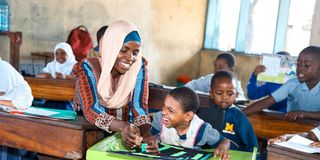
The core of the ongoing debate among education experts centres on an uneven focus within inclusive education.

Education experts say the categories demand teachers to understand how different educational needs affect learning, recognise possible signs and adjust their teaching approaches to ensure that individual learners are not excluded simply because they learn differently.

They said in a forum on Saturday, presents a significant challenge for Tanzania’s education system as it implements the National Strategy for Inclusive Education (2022–2026) and guidelines issued through the Prime Minister’s Office - Regional Administration and Local Government (PO-RALG).

At classroom level, the teacher is often the first person to notice that a child is struggling.

Education adviser at HakiElimu, Dr Wilberforce Meena, said, however, that this is one of the major weaknesses in the way inclusive education is understood and implemented.

“Inclusive education has a very broad scope, but significant energy appears to be concentrated on physical disabilities, without applying equal effort to other areas such as learning difficulties. ” The concern is not that attention to physical disabilities is misplaced.

Accessible infrastructure remains essential. Rather, the concern is that children whose needs are less visible can be overlooked even when they are physically present in ordinary classrooms.

For teachers, this creates a professional responsibility that goes beyond delivering the curriculum.

They must be able to identify individual learning needs, understand that the same teaching method may not work for every learner and adapt classroom instruction accordingly.

The PO-RALG implementation guidelines explicitly require teachers to identify individual learning needs and modify teaching methodologies to support learners. But fulfilling that responsibility depends heavily on the quality of teacher preparation. Dr Meena said inadequate teacher capacity can have serious consequences for learners.

“If a teacher lacks the capacity to recognise a student’s specific disability, they end up viewing the student as unable to handle studies, unaware that the child required specialised attention all along.” This, he said, makes teacher education one of the most important areas for investment if Tanzania is to turn its inclusive education commitments into classroom realities.

Teacher training colleges and universities need to equip future teachers with practical knowledge about the different categories of special educational needs and how they may manifest in a classroom.

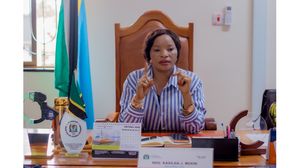
“Student teachers need to learn how to observe learners, recognise possible warning signs, adapt teaching and assessment methods, manage diverse classrooms and work with parents and specialists,” noted Mzumbe University don, Ms Amina Mbani.

A Dar es Salaam-based education expert, argues that teacher preparation curricula must be modernised to reflect the needs of today’s diverse classrooms.

“Our teacher training colleges must move beyond basic awareness of physical disability and train teachers in diagnostic screening for learning difficulties, autism, and behavioral needs.”

He adds: “When a teacher enters a classroom, they should be capable of detecting subtle cognitive barriers long before a child fails national examinations.”

Such capacity would also reduce the tendency to wait until a learner has failed repeatedly before asking why.

However, they say, teachers cannot carry the entire responsibility alone. They need an assessment and referral system capable of providing specialised support when classroom-level intervention is insufficient.

This is where Educational Support Resource and Assessment Centres (ESRACs) become important.

The centres are designed to bring together multidisciplinary teams, including medical personnel, social welfare officers and special needs educators, to support early screening, assessment and educational placement.

But their coverage remains limited. Of the 184 councils across the country, only 36 have established ESRAC centres, while just six operate at fully functional capacity with adequate multidisciplinary staff and standardised assessment kits.

Dr Jabir argues that the centres require stronger institutional support.

“We cannot talk about leaving no child behind when 148 local councils lack functional assessment centres. Local Government Authorities must treat ESRACs not as optional donor projects, but as essential public social infrastructure with dedicated, ring-fenced annual budgets.”

Yet strengthening ESRACs should not be seen as a substitute for strengthening teachers.