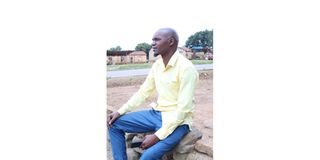
Tunduma. In Tunduma, near the Tanzania-Zambia border, Mohammed Issa earns a living as a bodaboda rider, although he prefers the term “transport officer”, saying it gives dignity to his profession.
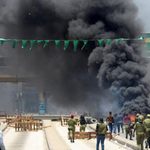
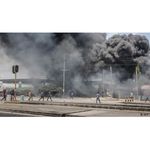
Like many others in the transport sector, his work was severely affected when a nationwide curfew was imposed following election-related violence.
Business stalled, movement was restricted and livelihoods disappeared overnight.
When calm gradually returned and the curfew was lifted, Mohammed became one of the few community members selected for psychosocial training aimed at helping survivors cope with trauma.
The programme specifically targeted bodaboda riders and food vendors, commonly known as mama lishe, because of their close daily interaction with the public.
Working in crowded areas places them in a unique position to spread messages of healing and reconciliation within their communities.
Among those trained was Zaituni Bakari, whose food business temporarily shut down during the unrest, leaving her struggling to support her family.
Today, she considers herself a peace and healing ambassador, using conversations with customers to encourage emotional recovery and unity.
According to findings by the Presidential Commission of Inquiry, at least 518 people were killed during the two-day violence, while thousands were injured.
Yet little has been publicly shared about the emotional and psychological condition of survivors.
Many lost loved ones, suffered injuries or watched their businesses destroyed. For survivors, trauma remains long after the violence ends.
The psychosocial programme was coordinated by an interfaith coalition bringing together major religious institutions, includingnthe Muslims Council of Tanzania, popularly known by its Kiswahili abbreviation as Bakwata, the Tanzania Episcopal Conference and the Christian Council of Tanzania.
The consortium travelled across the country training therapists and community outreach workers in an effort to rebuild trust and support national healing.
For 23-year-old Faraja Sanga from Songwe Region, the memories remain painfully vivid.
She recalls being at home with her fiancé on October 29 when he briefly stepped outside. Moments later, she heard a gunshot.
“When I rushed outside, I found him lying on the ground bleeding,” she said.
With all forms of transport banned during the curfew, neighbours carried him back into the house and tried desperately to help. He died minutes later.
More than six months on, Faraja says the family still does not know what happened to his body after it was taken to a morgue.
She continues to suffer nightmares and flashbacks, symptoms commonly associated with trauma and post-traumatic stress disorder.
Faraja later attended one of the psychosocial support sessions organised by the interfaith committee, where victims spent hours speaking with religious leaders and professional therapists.
She says the counselling helped her begin processing her grief.
Emmanuel Kibona, who underwent psychosocial training and now works with affected communities in Songwe, says the emotional wounds remain deep.
“People who were briefly detained are easier to counsel,” he said. “But those who lost relatives or suffered life-changing injuries still carry heavy emotional scars.”
He believes reconciliation efforts are essential and says both the authorities and communities must acknowledge their role in the unrest.
“At some point, someone must take responsibility, apologise and begin the healing process,” he said.
For Omari Ibrahim, a programme officer with Bakwata, organising psychosocial outreach programmes across regions such as Dar es Salaam, Songwe and Mbeya has revealed the scale of unmet need.
Limited funding and shortages of trained personnel have restricted the programmes’ reach, but he says demand for mental health support continues to grow.
Geoffrey Masalanga, a disabled resident who says he was assaulted during the crackdown, believes the interventions are necessary.
He recalls security officers forcing their way into his home while searching for protesters.
“They entered my room and started beating me,” he said. “They only stopped when they realised I could not walk properly.”
In Mbeya, 71-year-old Mariam Mwaifuge lost her grandson during the violence. She and her son were briefly detained before being released.
“I chose to forgive and move on,” she said. “At my age, carrying bitterness is unhealthy.”
She says the counselling sessions helped her overcome the fear and anxiety that followed the violence.
Mental health experts warn that untreated trauma can have long-term consequences, particularly among young people exposed to violence at an early age.
Without proper support, communities risk experiencing recurring cycles of violence, depression, substance abuse and social instability.
As Tanzania continues its journey towards healing and reconciliation, expanding access to psychosocial support may prove just as important as rebuilding damaged infrastructure and restoring political trust.
Register to begin your journey to our premium contentSubscribe for full access to premium content