Dar es Salaam. A new research partnership involving 13 universities from Africa and Europe has been identified as a potential catalyst for advancing Tanzania’s Vision 2050 development goals.
Researchers and policy experts speaking in Dar es Salaam during the inaugural conference of the Creating a Joint Infrastructure for Dialogue, Research and Advocacy (CIDRA) project said stronger collaboration between institutions is necessary to improve evidence-based policymaking.
The three-year project, valued at more than $1 million and funded by the European Union, aims to enhance research quality, expand academic cooperation and strengthen dialogue between African and European universities.
The conference, hosted by the University of Dar es Salaam (UDSM) yesterday, brought together academics and university leaders who said research must play a more direct role in shaping public policy.
Tanzania’s Dira 2050 development framework is expected to guide long-term planning in areas including industrialisation, human capital development, productivity and innovation. Experts say achieving these goals will require stronger national research systems.
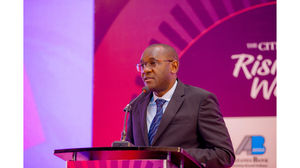
Speaking at the event, UDSM CIDRA project lead Dr Stephen Kirama said the initiative is focused on strengthening collaboration among researchers and improving joint studies across institutions.
He said the project has also expanded its focus to include renewable energy as a key area of study.
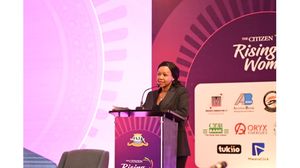
Representing the Vice Chancellor, Prof Benadeta Killian said universities must position themselves as centres for problem-solving and policy support.
She said collaboration between institutions improves the quality of evidence available to decision-makers. Education policy analyst Prof Sifuni Mbani said Tanzania needs locally generated research to address national challenges in sectors such as education, health, agriculture and technology.
He said international partnerships can support capacity building through improved research methods and access to academic resources. Development economist Dr Haji Ahmed said countries that have achieved rapid economic progress have invested in research systems linking universities, government and industry.
He said Dira2050 will require policy decisions based on credible data and analysis.
According to Unesco, countries that invest in research and development tend to achieve stronger innovation and productivity outcomes.
Stakeholders said initiatives such as CIDRA can help strengthen research capacity while supporting broader efforts to improve policymaking and development planning.