Seven key findings behind High Court's dismissal of Baba Levo election petition


Kigoma. The High Court, Kigoma Sub-Registry, has upheld the election of Kigoma Urban MP Clayton Chipando, popularly known as Baba Levo (CCM), after dismissing an election petition challenging his victory.

Delivering the ruling on Thursday, July 16, 2026, Justice Victoria Nongwa held that the petitioners had failed to establish a case requiring the respondents to present a defence.


Election Petition No. 28949 of 2025 was filed by four Kigoma Urban voters—Johary Kabourou, Luma Akilimali, Pendo Kombolela and Lumu Mwitu-following the October 29, 2025 General Election.

The respondents were Mr Chipando, the Kigoma Urban constituency returning officer and the Attorney General.

The petitioners argued that the election was neither free nor fair, alleging breaches of electoral laws, regulations and procedures. They also accused Mr Chipando of electoral bribery, using religion to influence voters and being linked to abductions.

After hearing evidence from 16 witnesses called by the petitioners, Justice Nongwa ruled that the evidence failed to meet the legal threshold required to compel the respondents to present a defence.

The judge based the decision on seven key issues that the petitioners were required to prove.

On the first issue, concerning alleged breaches of the Presidential, Parliamentary and Councillors Elections Act, 2024, the court found that the petitioners failed to produce crucial documentary evidence, including official complaint forms, to support their claims. The court also ruled that they did not demonstrate how the alleged failure to announce the venue and timing of vote tallying affected the election outcome.

Regarding allegations that religion was used during the election campaign, Justice Nongwa found no evidence that Mr Chipando used places of worship or religious messages to persuade voters to support or reject any candidate. The court also ruled that allegations involving a UVCCM leader displaying photographs of an ACT-Wazalendo candidate and his wife could not be attributed to Mr Chipando because there was no evidence the act was carried out with his knowledge or approval.

On claims that Mr Chipando used derogatory language against the ACT-Wazalendo candidate, including referring to him as a "broker" and deliberately mispronouncing his name, the judge held that the candidate himself should have demonstrated how the remarks affected him.

The court also dismissed allegations of electoral bribery, finding no direct evidence linking Mr Chipando to money allegedly distributed by government officials. Justice Nongwa further ruled that donations reportedly made to BAKWATA, churches and the distribution of party clothing did not amount to electoral bribery because there was no evidence they were intended to influence voters.


The court similarly rejected allegations that musician Naseeb Abdul, popularly known as Diamond Platnumz, distributed money and made development promises on behalf of Mr Chipando, ruling that the evidence did not establish electoral corruption.

Addressing allegations of witness abductions, Justice Nongwa said most witnesses relied on hearsay evidence, while only one claimed to have been abducted. The court found no direct evidence linking Mr Chipando to the alleged incidents.

The judge also rejected video recordings submitted by the petitioners after finding that they failed to satisfy the legal requirements governing electronic evidence. The petitioners did not establish who recorded the videos, the device used, how they were stored or how they were presented before the court.

Justice Nongwa further ruled that, even if some allegations had been established, the petitioners failed to demonstrate that they materially affected the election results.

The court therefore agreed with submissions by lawyers representing the respondents that none of the three respondents had a case to answer and dismissed the petition.

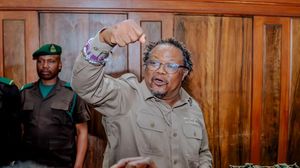
Following the ruling, Baba Levo and his supporters celebrated outside the courtroom.

Speaking afterwards, Mr Chipando thanked God for what he described as justice being served.

He said he had spent considerable resources defending the case and would now focus on serving the people of Kigoma Urban.

"I was born to serve the people of Kigoma. Let me get on with the job, and the results of my five-year term will speak for themselves," he said.

Meanwhile, the petitioners, through their lawyer, John Seka, filed a notice of intention to appeal the decision to the Court of Appeal. The notice is the first procedural step before lodging the substantive appeal and its grounds.