Foreign Affairs ministry cites unpaid regional contributions as budget setbacks

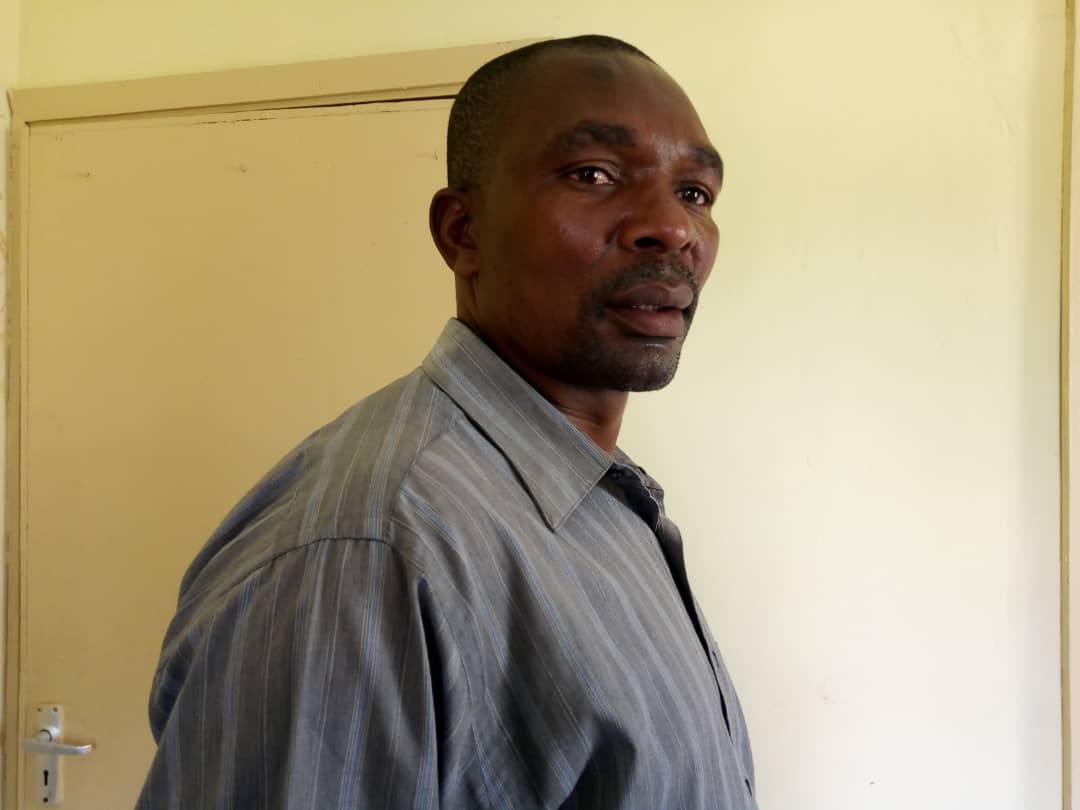
Deputy Minister for Foreign Affairs and East African Cooperation responsible for East African affairs, Mr James Millya

Dodoma. The Ministry of Foreign Affairs and East African Cooperation has cited failure by some member states to honour regional agreements, including remitting statutory contributions, as among the factors that affected implementation of the 2025/26 budget.

The Deputy Minister for Foreign Affairs and East African Cooperation responsible for East African affairs, Mr James Millya, made the remarks on Friday while opening the ministry’s workers’ council meeting in Dodoma.

Mr Millya said the situation disrupted Tanzania’s coordination and participation in regional integration programmes involving various stakeholders, including the private sector.

He also pointed to the deterioration of peace and security in some countries within and outside Africa as another challenge affecting implementation of the 2001 Foreign Policy, 2024 Edition.

“This situation has led to uncertainty in the direction of international relations policies and slowed the pace at which partner states ratify and implement regional agreements, thereby delaying achievement of regional integration goals,” he said.

Mr Millya said the ministry had continued taking measures to address the challenges, including collaborating with stakeholders within and outside government and, where necessary, advocating enforcement of existing sanctions.

He added that the ministry was also continuing to coordinate and actively support efforts by the African Union and the United Nations to resolve conflicts through diplomatic means.

The deputy minister further directed the workers’ council to involve employees in planning processes, saying the approach helps generate new ideas while ensuring staff take ownership of implementing agreed plans.

“We should encourage our fellow employees to work hard and avoid negligence and corruption in the workplace. I also want to emphasise accountability among staff in order to improve productivity and efficiency in carrying out the ministry’s responsibilities,” he said.

Mr Millya also cautioned against a workplace culture of blame-shifting and excessive supervision, saying employees should take pride in serving in such a sensitive ministry and strive to leave a positive legacy.