TBF proud of strides made to elevate basketball in Tanzania
Tanzania Basketball Federation (TBF) former president Michael Kadebe (right) hands over to newly elected TBF president Hasheem Thabeet (second left). PHOTO | COURTESY
The former TBF leadership yesterday handed over office to the newly elected president, Hasheem Thabeet
Dar es Salaam. The Tanzania Basketball Federation (TBF) says basketball in the country is steadily gaining momentum following a series of reforms, partnerships and development initiatives implemented during the leadership of outgoing president Michael Kadebe.
Over the past four years, the federation has prioritised strengthening governance, expanding grassroots development programs, improving technical capacity and building strategic partnerships aimed at ensuring the long-term growth of basketball in Tanzania.
Kadebe, who formally handed over leadership yesterday to newly elected president Hasheem Thabeet yesterday, said the progress achieved during his tenure demonstrates that the sport is gradually building a stronger and more sustainable foundation.
“We are proud of the strides we have made in elevating basketball in Tanzania. Our goal has been to create a sustainable system that supports players from grassroots development all the way to national and international competitions,” said Kadebe.
He explained that when his leadership took office, the federation faced serious financial constraints and lacked corporate sponsorship, forcing the administration to prioritise reforms and partnerships that could revive and stabilise the sport.
Governance reforms and financial stability
One of the first priorities under Kadebe’s leadership was improving governance structures, legal frameworks and administrative systems within the federation.
Work processes and financial collection systems were streamlined to enhance transparency, efficiency and accountability in basketball administration.
The federation also addressed financial obligations inherited from previous administrations, including settling a debt of $28,000 owed to the International Basketball Federation (FIBA).
In addition, financial management systems were modernised through the establishment of both local and foreign currency bank accounts and the introduction of digital payment platforms such as Lipa Namba, making transactions easier and more transparent.
According to Kadebe, these reforms laid the foundation for the federation to attract partners and sponsors willing to support basketball development.
From no sponsors to major partnerships
When the current leadership assumed office, TBF had no corporate sponsorship.
However, through strategic engagement with partners, the federation secured key financial backing that has helped transform basketball competitions and development programmes.
One of the major breakthroughs came with the revival of the Taifa Cup, a national basketball tournament that had disappeared from the sporting calendar for many years.
The federation secured sponsorship worth Sh200 million from CRDB Bank, enabling the successful return of the tournament, which was last held during the 1998/1999 season.
The revived competition attracted 36 teams, including 20 men’s teams and 16 women’s teams, providing players from different regions an opportunity to compete at the national level.
Tanzania Basketball Federation (TBF) former president Michael Kadebe at the recent handover ceremony. PHOTO | COURTESY
Beyond competition, the partnership also created scholarship opportunities for talented players with special needs, demonstrating how basketball development can also support social inclusion.
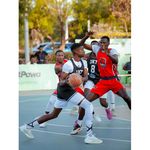
Another milestone came in 2024, when the federation secured sponsorship for the National Basketball League (NBL) through the sports betting brand betPawa.
The deal, valued at Sh222,880,000, introduced the innovative Locker Room Bonus incentive scheme.
Under the program, 12 players and four officials from the winning team receive $55 (about Sh144,000) immediately after the match, boosting motivation and competitiveness within the league.
Expanding youth development and education support
Youth development has remained a central pillar of TBF’s strategy.
Between 2021 and 2025, the federation allocated Sh50 million to support education for talented basketball players from disadvantaged backgrounds.
Through the program, 70 young players received educational assistance.
Some beneficiaries continued their studies at institutions such as the University of Dodoma (UDOM), Don Bosco Vocational Training Centre Dodoma, and Ruaha Catholic University.
Others enrolled in colleges in Tanga, Kigoma and Dar es Salaam, ensuring that basketball talent does not come at the expense of academic development.
In addition, 20 talented players secured employment at CRDB Bank, highlighting how sports initiatives can also create career opportunities beyond the basketball court.
The federation also partnered with the Tanzania People’s Defence Force (TPDF) during the 2025–2026 season, resulting in 15 young basketball players being recruited into the military.
International recognition and youth competitions
Tanzania’s growing reputation in basketball was highlighted in 2023, when the national Under-18 team received the Best Upcoming Team in the World award from FIBA during a ceremony held in Manila.
The recognition reflected the progress made through the federation’s youth development programmes and the increasing competitiveness of Tanzanian teams in international competitions.
Both the Under-16 and Under-18 national teams have also participated consistently in FIBA Zone 5 competitions, giving young players valuable exposure to regional and international basketball.
Strengthening coaching and officiating standards
Technical development has also been a major focus during the past four years.
The number of internationally recognised referees in Tanzania increased from two to eight, including four men and four women.
Meanwhile, approximately 25 local coaches have completed various FIBA certification courses, while others have obtained FIBA Level 3 qualifications and coaching diplomas in Hungary.
These initiatives have significantly improved the technical standards of coaching and officiating in Tanzania’s basketball ecosystem.
Grassroots expansion and school sports
TBF has also worked to expand basketball participation at the grassroots level.
The federation successfully lobbied the President’s Office – Regional Administration and Local Government (Tamisemi) to introduce basketball into UMITASHUMTA primary school sports competitions.
Previously, the sport was only played at the secondary school level through the UMISETA games.
The introduction of basketball at the primary school level is expected to significantly increase the pool of young players entering the sport.
Youth development programs have also been strengthened through initiatives such as the FIBA Africa Mini Basketball Festival, held at the Don Bosco Grounds, which involved about 400 children.
Regional basketball leagues have also expanded across the country, helping increase participation and competition at the grassroots level.
Infrastructure development and international cooperation
Infrastructure improvement has been another key focus. Basketball courts have been constructed or upgraded in several areas, including Kigamboni (Machava Premier Bet Academy), Zanaki, Mgulani and Dodoma, expanding facilities available for training and competitions.
The federation has also strengthened international partnerships with basketball federations in Turkey, Senegal, Egypt and Mozambique, as well as other East African countries.
These collaborations have facilitated training programs, knowledge exchange and talent identification opportunities for Tanzanian players.
TBF has also worked with international scouts and agents to help promising players’ access development opportunities abroad.
Promoting basketball in public institutions
Another unique initiative during Kadebe’s leadership was the establishment of a basketball team within the Parliament of Tanzania.
Because Kadebe works within the parliamentary office, he helped facilitate the creation of the team, which now participates in competitions organised by the East African Legislative Assembly.
Previously, Parliament only participated in football and netball tournaments.
Looking ahead
Despite the progress made, Kadebe acknowledged that challenges remain, particularly in infrastructure and sustainable funding, noting that several regions still lack modern indoor arenas while many clubs face financial constraints.
However, he remains optimistic about the future of the sport.
“Our achievements show that basketball in Tanzania is moving forward. With stronger partnerships, improved competitions and greater investment in youth development, we believe the sport will reach even greater heights,” he said.
As part of the leadership transition, the outgoing administration handed over a comprehensive four-year implementation report (2021–2025) outlining achievements, challenges and recommendations for future progress
Kadebe expressed confidence that the new leadership under Thabeet will build on the progress made and called on regional leaders, clubs and stakeholders to support the new administration in advancing basketball development in Tanzania.