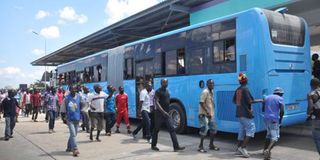
The Dar es Salaam Rapid Transit (Dart) Agency which supervises the projects says architectural designs are complete and other processes are ongoing.
Dart public relations manager William Gatambi did not exactly say when the construction would start.
“Some procedures have to be completed before starting the work,” he told The Citizen.
Phase one, which covered 16km from the city centre to Kimara, has helped reduce traffic congestion.
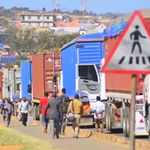
It took commuters almost two hours to travel from Kimara to the city centre in daladala due to traffic jams. Buses were overloaded.
It can now take half an hour to travel on the route. The project was completed in May.
Phase one of the project has 39 trunk buses of 18m which can carry 160 passengers each and 101 feeder buses of 12m with the capacity of 80 passengers each.
The buses also have seats for the disabled, the elderly and mothers.
Kimara resident Bona Kisanji said although the buses are overloaded she is assured of safe and short trips.
But she complains about difficulty in getting the bus tickets as passengers have to wait in long queues to get them.
The system has made life easy for Kimara residents, but left those of Mbezi disappointed because they are forced to board at least two buses to the city centre. This is costly.
Mbagala residents are pleading with the government to speed up the construction of second phase of BRT.
The area’s resident, Mr Allen Nkini, is tired of long trips and would like the government to solve their problem.
“The time I spend in a bus is enough to do something creative but since there is no option, I am forced to stand in the bus until I reach my destination,” he said. “We call on the government to help us.