How ZIFF 2026 signals a new era for East African storytelling

For years, East African cinema was largely defined by low-budget television dramas, DVD productions and fast-turnaround storytelling models.

In Tanzania, the Bongo Movie era thrived on emotional family conflicts, melodrama and films distributed through television stations, video libraries and street vendors.

 Across the region, filmmakers often worked with limited budgets and conventional production structures that prioritized speed over experimentation.

But the Zanzibar International Film Festival (ZIFF) 2026 lineup suggests East Africa’s creative industry is entering a far more ambitious era.

This year’s official selection feels less like a traditional film festival and more like a glimpse into a rapidly evolving creative culture shaped by animation, streaming platforms, internet-born creators, gaming aesthetics and AI-assisted production tools.

The 65 selected films reveal a generation of storytellers experimenting with new visual languages and globally influenced filmmaking styles while remaining rooted in African experiences.

“One thing we’re seeing more this year is fearlessness,” says one ZIFF organiser. “Young filmmakers are no longer waiting for permission or big studios. They’re creating with whatever tools they have and telling stories in completely new ways.”

That shift is visible not only in the films themselves but also in the backgrounds of the creators behind them. Many emerging filmmakers did not come through traditional cinema institutions.

Instead, they learned through music videos, YouTube editing, photography, gaming culture, TikTok visuals and digital content creation before transitioning into film.

One of the clearest signs of that transformation is the rise of animation.

ZIFF 2026 has dedicated an entire competitive section to animated films from Tanzania, Uganda, Germany and Iran.

For years, animation in East Africa was viewed largely as children’s entertainment or educational content.

Limited infrastructure and lack of investment kept many animators on the margins of the film industry.

But this year’s lineup suggests animation is finally entering mainstream creative conversations.

Among the standout entries are Tanzania’s Baaba and Hon. Getrude Mongella, projects reflecting the country’s growing confidence in animated storytelling.

Uganda’s Lice N’ Shine and Princess Mkatu also highlight a broader regional movement where African creators are blending global influences with local stories.

“For a long time, people didn’t take animation seriously in this region,” says a Tanzanian animator  Dennis Mchanga whose film has been nomited.

“We grew up watching anime, Disney and gaming visuals online. Now we’re mixing those influences with African stories and local experiences.”

That global influence can be felt across the wider lineup.

Short films such as Tanzania’s Oh! Sh!t It’s My Birthday, Kenya’s Goat, Uganda’s The Space Besides Me and Somalia’s Guhaado showcase filmmakers embracing experimental visuals, fragmented storytelling and internet-inspired editing styles that would have been uncommon in East African cinema a decade ago.

Many of these productions come from independent creators and small studios, highlighting how accessible filmmaking technology has become.

“You no longer need a huge production house to make something visually powerful,” says creative director, John Joseph at Ai Pros.

“A lot of us learned filmmaking through YouTube tutorials, music videos and simply experimenting with friends.”

The documentary section reflects a similar ambition.

Tanzania’s We Are Hadza, documenting one of the country’s indigenous communities, appears alongside politically charged regional projects and international documentaries from Libya, the United Kingdom and the United States.

Rather than separating African stories from global cinema conversations, ZIFF increasingly positions them side by side.

For many festivalgoers, that balance is part of the festival’s appeal.

Another major shift visible this year is the rise of serialised storytelling.

The drama series category includes productions such as Kenya’s Single Kiasi Season 4, Somalia’s Shabakadda Season 2 and Tanzania’s Nyota. Their inclusion reflects how streaming culture is reshaping viewing habits across East Africa.

“People binge-watch now,” explains Mr Joseph. “Audiences want layered characters and longer-form storytelling instead of only standalone films.”

Streaming culture has also changed audience expectations.

Younger viewers now compare local productions not only with regional cinema but also with Netflix dramas, Korean series, YouTube creators and global online content consumed daily through smartphones.

That pressure is pushing filmmakers to improve cinematography, sound design and visual identity.

Perhaps the most striking aspect of the ZIFF 2026 lineup is how often Tanzania appears across multiple categories.

For years, the country’s international film visibility revolved around isolated productions.

But this year’s selections suggest something bigger may be taking shape,  a broader creative ecosystem capable of producing films across genres simultaneously.

Tanzania appears in short films, animation, documentaries, drama series and feature fiction. Productions like Kilwa Kisiwani, Embe Dodo, Peek, Noma, Nyota, We Are Hadza and Couple Goals reveal filmmakers increasingly confident in exploring different tones and cinematic styles.

“Five or ten years ago, you wouldn’t see this level of variety from Tanzania at major festivals,” says Nasra Diwani, Ziff longtime attendee.

Adding  that now Tanzanian creators are showing up in animation, documentaries, series and experimental films all at once.

“That signals an industry evolving beyond a single identity.” she says.

That evolution reflects a much larger cultural shift happening across East Africa.

The old Bongo Movie model relied heavily on physical distribution and rapid production cycles. Today’s creators are building audiences online before entering film festivals.

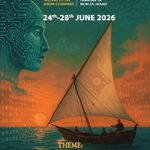
ZIFF’s 2026 theme, centred on “AI and the Art of Storytelling", reinforces that transition. Digital tools are making it easier for creators to experiment with animation, editing and visual effects despite limited budgets.

Challenges remain, particularly around funding, training and distribution. Yet there is a growing sense of momentum surrounding this year’s festival.

“You can feel the energy changing,” says a young film fan Aisha Hussein. “It no longer feels like East African filmmakers are trying to imitate other industries. It feels like they’re building their own identity.”

And perhaps that is what makes ZIFF 2026 feel bigger than just another festival lineup.

It feels like a preview of East Africa’s creative future.