Cargo to move from Dar port via SGR this month

Dar es Salaam. The government has announced that cargo will begin moving directly from the Port of Dar es Salaam through the Standard Gauge Railway (SGR) by the end of this month, a move expected to reduce congestion and cut logistics costs.

Transport minister Makame Mbarawa said the new arrangement will eliminate the current system where cargo is first transported by lorries to Pugu Station before being transferred to the SGR network.
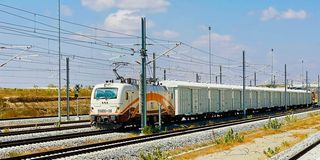
“By the end of this month we expect cargo to start moving directly from the port through the SGR to inland destinations. This will remove the need for double handling, which has been costly and inefficient,” Prof Mbarawa said during a visit by the Parliamentary Standing Committee on Infrastructure to the port.

Currently, a significant share of cargo leaving the port is transported through the Metre Gauge Railway (MGR), which officials say has limited efficiency and capacity.

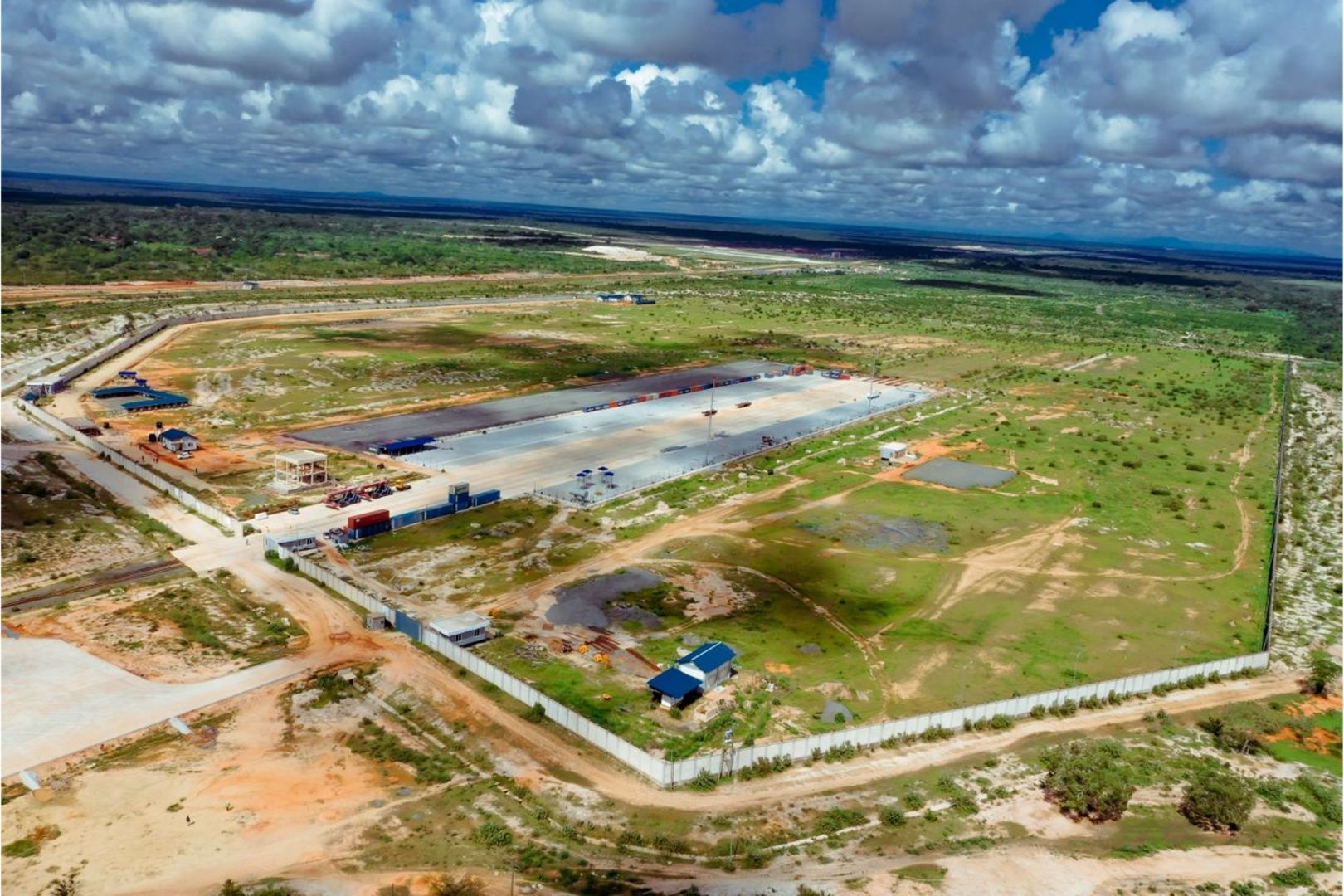
To address the challenge, the government is constructing a railway link connecting the port area through Pugu to the SGR line. Once completed, cargo will move directly from the port to inland destinations.

The minister also said the government is upgrading the TAZARA Railway to allow trains to operate at speeds of about 80 kilometres per hour, compared with the current average of around 30 kilometres per hour, in order to strengthen trade links with regional markets and international partners, including China.

The Director General of the Tanzania Ports Authority (TPA), Plasduce Mbossa, said cargo evacuation currently partly relies on the metre-gauge railway but efficiency remains low because cargo must first be transported to the Pugu Inland Container Depot before being transferred to the SGR.

“This creates double handling of cargo and increases costs,” he said.

Under the new arrangement, the metre-gauge railway will continue serving routes to Kigoma and Zambia, while the SGR will handle cargo destined for Dodoma and other central regions.

Mr Mbossa said the government has also introduced private operators in port operations to improve efficiency through the use of modern technology and equipment.

He added that preparations for the construction of the Port of Bagamoyo are progressing, with a contractors’ camp already completed.

According to him, Tanzania requires significant financial investment in major ports, including the Port of Tanga, the Port of Kigoma and several lake ports serving the Great Lakes region.

“Because government resources are limited, authorities are considering tariff adjustments to support port expansion projects,” Mr Mbossa said.

He noted that the expansion efforts are being implemented in collaboration with the Tanzania National Roads Agency (Tanroads) and the Tanzania Railways Corporation (TRC) to ensure efficient movement of cargo from ports through road and rail networks.

Mr Mbossa also urged policymakers to support greater private sector participation in port operations.

“The government should not be afraid of involving the private sector in port operations because it improves efficiency and the use of technology,” he said.

Members of Parliament welcomed the improvements but raised concerns about operational efficiency.

Mr Hamis Tabasamu (Sengerema-CCM, said Tanzania should strengthen links between the main port and lake ports in order to attract cargo from neighbouring countries such as the Democratic Republic of Congo and Uganda.

He also noted that Tanzania currently operates more than 28 cargo management systems, which can delay clearance procedures.

“These systems should be integrated into one or three main systems to speed up cargo processing,” he said.

Another committee member, Mr Johnston Mtasingwa, said expanding cargo-handling equipment alone would not be sufficient.

“Infrastructure must also expand so that information about cargo movement is shared effectively between TRC and Tanroads,” he said.

Mr Saidi Salim Hamadi said about 60 percent of cargo handled is destined for the Democratic Republic of Congo, stressing the need for stronger diplomatic engagement to promote regional trade.

Another member Isack Joseph welcomed investment by DP World in port operations, describing it as an important step for improving efficiency in the sector.

Abubakar Asenga said the introduction of container transport through the SGR this month is expected to significantly reduce congestion at the Port of Dar es Salaam.

“If tariffs are increased, the government should educate the public so they understand the purpose and benefits of the changes,” he said.