Arusha. The government has continued strengthening efforts to ensure citizens access clean, safe and affordable cooking energy, with the use of such energy rising to 23.4 percent from 6.9 percent recorded in 2021.
The government has set a national strategy aimed at ensuring that by 2034, at least 80 percent of Tanzanians use clean cooking energy in order to protect both public health and the environment.
Speaking during a stakeholders’ dialogue on the best ways to promote the use of clean cooking energy in Arusha today, a representative of the Permanent Secretary in the Ministry of Energy, Emilian Nyanda, said the progress had been driven by the implementation of a special strategy launched in May 2024.
He said the government recognised the importance of clean cooking energy and set specific targets to expand its availability across the country, noting that when the strategy was being prepared, usage levels were below 10 percent.
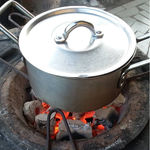
According to Nyanda, one of the key approaches that has contributed to the improvement is raising public awareness about the benefits of clean cooking energy and the dangers associated with using polluting fuels such as firewood and charcoal.
“For now the level has increased and we have reached 23.4 percent of Tanzanians using clean cooking energy. This shows that through this national strategy it has started helping us, and one of the approaches we are using is to build community awareness about the strategy, the importance of using clean energy and the challenges of using non-clean energy,” he said.
Nyanda added that the strategy provides guidance on how to achieve the government’s targets through policy improvements and the involvement of various stakeholders.
The Ministry of Natural Resources and Tourism is also an important stakeholder in implementing the strategy, given that a large proportion of Tanzanians rely on forest resources as their main source of energy.
A representative of the ministry’s Permanent Secretary, Dr Joseph Makero, who is also the head of the Olmotony Forestry Training Institute in Arusha, said efforts are underway to ensure that increased use of clean energy goes hand in hand with forest conservation.
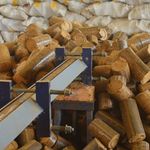
He said the ministry is focusing on three key areas, including promoting alternative energy sources to reduce tree cutting, encouraging the use of residues from forest-based industries as an energy source, and supporting simple technologies that can help citizens adopt cleaner cooking options.
“We know that some forms of energy are still expensive, but through these discussions one of the issues we emphasised is ensuring that we have friendly policies that work together so that citizens can find solutions for using clean cooking energy,” he said.
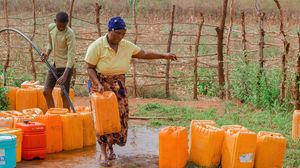
He also stressed the importance of involving citizens—especially those living in rural areas where firewood and charcoal are widely used—in all programmes aimed at promoting clean cooking energy.
Meanwhile, the Assistant Representative of the Food and Agriculture Organisation of the United Nations (FAO) in Tanzania, Charles Tulahi, said the dialogue formed part of the implementation of the Clean Cooking Fund (Cook Fund) project funded by the European Union.
He said FAO in Tanzania has been implementing various projects aimed at promoting clean cooking energy, particularly within the agriculture sector.
Tulahi said the organisation has been encouraging the use of biogas in several areas, including Kigoma, where livestock keepers are urged to use animal waste to generate gas for household use.
“In areas such as Karatu, we have promoted the use of biogas in schools and among individuals. The aim is to reduce environmental pollution, improve people’s health and minimise tree cutting,” he said.
He added that the initiatives also target various social groups including students, youth and women to ensure awareness about clean cooking energy spreads across all generations.
For his part, a project coordinator from the World Wide Fund for Nature (WWF), Savinus Kessy, said the organisation is working with several government institutions including the Tanzania Forest Services Agency (TFS), the Ministry of Energy, the Ministry of Natural Resources and Tourism and the President’s Office – Regional Administration and Local Government (RALG) to strengthen implementation of the strategy.
“We mainly focus on building the capacity of government institutions and working with the private sector and civil society organisations to ensure the entire clean energy value chain functions effectively,” he said.
He added that through the collaboration, stakeholders continue reviewing existing policies to identify gaps and make improvements aimed at ensuring effective management and long-term success.