Health journalism in Africa faces “code red” amid rising pressures

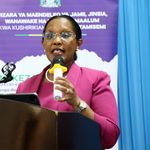
Delegates and media professionals follow proceedings during the launch of the Africa Health Media Trends Report 2026 in Nairobi, Kenya, held on Thursday, February 26, 2026. Commissioned by FINN Partners, the report warns of a ‘Code Red’ for health journalism across Africa and calls for Africa-led, solutions-focused reporting to tackle growing public health challenges. PHOTO | COURTSERY

Dar es Salaam. Health journalism in Africa is at a critical juncture, with experts warning that shrinking resources and growing health challenges are undermining journalists’ ability to provide accurate information to the public.

The Africa Health Media Trends Report 2026 has described the situation as “code red,” noting that the sector is under unprecedented strain even as demand for reliable health information grows.

Launched on February 26, the report draws on experiences from journalists and editors in 11 African countries, highlighting declining donor funding, limited newsroom resources, and the reduction of specialist health desks as major obstacles to effective reporting.

It notes that journalists are covering health at a time when Africa faces rising non-communicable diseases such as cancer and diabetes, recurring outbreaks, and the health impacts of climate change.

In Tanzania, specialised science and health reporting remain limited despite the country’s expanding healthcare system.

“We are at a pivotal moment for health communication in Africa,” said Peter FINN, Founding Partner and CEO of FINN Partners.

“When journalism is under-resourced, public health suffers. Strong health systems depend on strong media ecosystems, which means treating journalists as essential partners, not just messengers,” he added.

A public health researcher at Muhimbili University of Health and Allied Sciences (MUHAS), Dr Upendo Mwingira, said health journalism is essential for national development.

“Health journalism translates complex scientific information into messages that citizens can understand. Without it, people struggle to make informed decisions about their health. Accurate reporting is even more crucial as Tanzania faces growing burdens of lifestyle diseases such as hypertension and diabetes,” she said.

Dr Mwingira added that when the media lacks specialised reporters, misinformation spreads easily, particularly on social media.

The report also notes that global changes in health financing are affecting journalism coverage, requiring journalists to explain complex policy issues and their impacts on ordinary citizens.

“How health issues are reported shapes public trust, policy prioritisation, and the strength of health systems,” said Dr Maryam Bigdeli, former WHO Representative in Morocco.

“Amid shifting global priorities and financing constraints, African countries must build resilient systems grounded in primary healthcare, sustainable financing, and accountable governance,” she added.

A media trainer and science communication specialist in Dar es Salaam, Joseph Temba, said most newsrooms lack the resources to support specialised reporting.

“Science journalism requires time and training, which many media houses cannot afford. Without this, journalists may oversimplify or misinterpret scientific findings,” he said.

Despite these challenges, the report identifies a positive trend: journalists are increasingly focusing on solutions-based reporting and local expertise rather than relying solely on international studies.

Experts say stronger partnerships between journalists, universities, and health institutions could improve reporting quality, with researchers making findings accessible and engaging.

As health challenges continue to grow, investing in science and health journalism may be as vital as investing in healthcare itself.