MPs furious about Sh7bn budget fall in agriculture
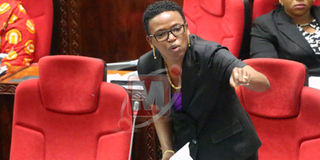
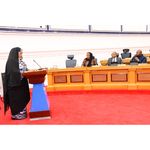
Kawe MP Halima Mdee contributes to a budget on the Ministry of Agriculture, Livestock and Fisheries for 2017/2018 in Parliament in Dodoma yesterday. PHOTO| ANTHONY SIAME
What you need to know:
The lawmakers were concerned that only 0.85 per cent of the entire government budget went to agriculture, which employs about 75 of the country’s workforce.
Dodoma. MPs yesterday pushed for the government to increase the proposed budget of the Ministry of Agriculture, Livestock and Fisheries for Tanzania to realise its industrialisation dream.
The lawmakers were concerned that only 0.85 per cent of the entire government budget went to agriculture, which employs about 75 of the country’s workforce.
To achieve the industrialisation plan, the sector has to produce ample raw materials to feed factories.
The ministry’s budget has been reduced to Sh267.8 billion for the next financial year from Sh275 billion in 2016/17.
Mr Mahmoud Mgimwa (Mufindi North —CCM) said the chopping of the budget was unacceptable and would cripple agriculture, which touches the lives of all Tanzanians. “I can’t support this trend of decreasing the budgets. The government should take this sector seriously.”
Mr Zitto Kabwe (Kigoma Urban — ACT) noted that between 2009 and 2016 Tanzania’s gross domestic product rose from $21.4 billion to $52 billion, but poverty also increased.
“The answer to that paradox is simple: the government has continued to neglect agriculture which directly employs over 65.5 per cent of Tanzania’s workforce. The disbursed development budget of this sector for this financial year is only three per cent, meaning we have only paid salaries and other allowances of the ministry’s staff but they didn’t execute any development projects. That’s a shame,” he said.
Ms Salome Makamba (Special Seats — Chadema) said the budget would not take the country to the middle-income status by 2025.
“If agriculture is indeed the backbone of the country’s economy we would have at least Sh1 trillion budget for it. We can’t implement major development projects if the budget is that small. The proposed budget is smaller than that of this financial year. It seems the government doesn’t see the importance of agriculture.”
Ms Halima Mdee (Kawe — Chadema) said if proper investment was made the country could have earned a lot from agriculture.
“In 2011 Parliament unanimously agreed to conduct a land audit to earmark areas for farming and grazing. Almost seven years later, nothing has been done and still farmers and livestock keepers use traditional methods,” she said.
Mr Innocent Bashungwa (Karagwe — CCM) suggested that the budget be at least 10 per cent of the entire government budget “if we are to achieve agriculture and industrial revolutions in few years”.
The government says agriculture accounts for about half of the national income, three quarters of merchandise exports and is source of food in addition to provision of employment opportunities to about 75 of the workforce.
It insists that the sector has linkages with the non-farm sectors through forward linkages to agro processing, consumption and export; provides raw materials to industries and a market for manufactured goods.
Production of food crops varies from year to year depending on the amount of rainfall received.