Strong start for Songwe sesame farmers as sales hit Sh3 billion

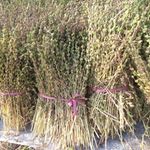
Songwe. Sesame farmers in Songwe Region earned more than Sh3 billion during the opening auction of the 2026/27 trading season held on Friday, May 8, 2026, signalling a strong start for the crop in the Southern Highlands.

The auction, conducted through a digital trading platform, saw 1,923 tonnes of sesame sold within hours, with more than 10 companies participating in the exercise.

Speaking during the auction, the Tanzania Mercantile Exchange (TMX) senior business operations officer, Ms Justa Martini, said the market response was encouraging, with competition among buyers helping to push prices higher.

“Today we held the first sesame auction for Songwe Region. We brought 1,923 tonnes to the market and the auction went well, with more than 10 companies participating,” she said.

According to her, the highest price reached Sh2,700 per kilogramme, while the lowest stood at Sh2,625 before statutory deductions.

Ms Martini said all sesame presented at the auction was sold, reflecting strong demand for the crop.

“The auction was successful because all the tonnes brought to the market were sold,” she said.

She explained that the Songwe Regional Cooperative Union (Sorecu) was expected to submit invoices by Saturday, after which buyers would be required to complete payments within 72 hours.

The Songwe District agriculture, livestock and fisheries officer, Mr Iddi Ramadhani, said the auction had also generated significant revenue for the local authority through crop cess collections.

“Today, farmers earned more than Sh3 billion, while the Songwe District Council collected Sh100.2 million in cess,” he said.

Mr Ramadhani attributed the favourable prices partly to the quality of sesame produced in the area, noting that farming practices in the zone rely less on agrochemicals.

“Farmers secured good prices because farming in this zone is largely organic and does not involve extensive use of pesticides or fertilisers,” he said.

He added that farmers adhering to recommended farming practices were currently harvesting between 360 and 500 kilogrammes per acre.

However, he said the region still needed improved seed varieties to increase productivity and strengthen competitiveness in international markets.

“The major need now is improved seeds so that we can increase productivity, compete with other countries and improve performance in our council,” he said.

The Cereals and Other Produce Regulatory Authority (Copra) head of public relations and communications, Ms Theresia Christian, commended the use of digital technology during the auction, saying it had improved transparency and participation among stakeholders.

“We thank God because farmers and buyers were able to meet digitally. Farmers were present and followed the auction process in real time through the digital system,” she said.

According to Ms Christian, the average price recorded during the auction was Sh2,667.9 per kilogramme.

She said Copra was encouraging farmers to adopt best agricultural practices, including the use of improved seeds, to strengthen the reputation of Tanzanian sesame in global markets.

“We must follow proper production practices, especially the use of improved seeds. This will help Tanzanian sesame build a strong international reputation, attract more buyers and increase the country’s competitiveness,” she said.

Tanzania remains one of Africa’s leading sesame producers and exporters, with the crop serving as an important source of income for thousands of smallholder farmers.

Traditionally, sesame production has been concentrated in regions such as Lindi, Mtwara and Coast.

However, Songwe has increasingly emerged as a major producer, reflecting the crop’s expanding production zones across the country.

Officials expressed optimism that the strong performance recorded during the opening auction would continue throughout the season.

The next sesame auction is scheduled to take place in Kamsamba, Momba District, where stakeholders expect trading momentum and prices to remain stable as more produce enters the market.