MCL
|
MwanaClick
Home
Football
Basketball
Athletics
Swimming
More
•••
Sign in
My Account
Personal details
Change password
Purchases
Sign out
Search
Home
News
National
international
Sports
Football
Basketball
Athletics
Swimming
Business
Finance
Enterprise
Boss Talk
OpEd
Editorials
Our Columnists
Guest Columns
Cartoon
Puzzles
Zanzibar
Tourism
Blue Economy
Real Estate
Tech Page
Magazines
The Beat
Smart World
Political Reforms
Market Data
Jobs
Notices
Tenders
Notices
Tenders
Services
MCL
MwanaClick
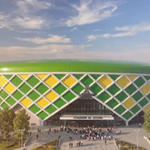
GSM CEO unveils bold vision behind Yanga’s 20,000-seater stadium
Friday, May 15, 2026
- 2 min read
By
Majuto Omary
Sports Reporter
Mwananchi Communications Ltd
Related
Yanga, GSM sign Stadium deal, set two-year completion target
GSM CEO unveils bold vision behind Yanga’s 20,000-seater modern stadium
Latest
Police expose dangerous traffic violations
Meta eyes record $95 billion equity raise to fund AI expansion
TRA urged to prepare for Mangapwani port operations
Kinondoni leads serious crime statistics in Tanzania as experts call for action
Dodoma faces 68 million-litre daily water deficit
Nigeria's Ebola patient on medical evacuation flight to Switzerland, condition stable
In the headlines
View All
Why value addition is essential for Tanzania’s $1 trillion economy ambition
Revealed: Two contrasting sides of a Sh300 billion water project unveiled
Why that cocktail could be disastrous to your health
US visa curbs and the high price of lost opportunities