Empowering the next generation: How agroforestry is creating jobs and fighting climate change

Vi Agroforestry Tanzania Country Director, Ms Martha Olotu

Dar es Salaam. Agroforestry is increasingly being promoted as a pathway to creating jobs, strengthening food security and building climate-resilient businesses, with stakeholders calling for greater investment in young people to accelerate the sector's growth.

Vi Agroforestry says empowering youth with skills, knowledge and market opportunities can help transform agriculture into a profitable business while supporting environmental conservation and improving rural livelihoods.

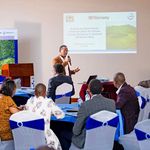
Speaking during an agricultural stakeholders' forum held on the sidelines of the ongoing Nane Nane exhibition at the John Malecela grounds in Dodoma on Friday, August 7, 2026, Vi Agroforestry country director, Ms Martha Olotu, said the organisation will host a major youth-focused agroforestry conference in Mara Region this October, bringing together more than 8,000 participants to showcase opportunities in sustainable agriculture, agribusiness and climate-smart farming.

The conference, expected to be officiated by the Youth Minister, Mr Joel Nanauka, will provide a platform for young farmers, entrepreneurs, policymakers and development partners to exchange ideas and explore investment opportunities across the agroforestry value chain.

"We want young people to see agroforestry not simply as farming, but as a business that offers enormous economic opportunities. Through this conference, they will interact with experts, policymakers and fellow entrepreneurs and gain practical knowledge on how to build sustainable enterprises," said Ms Olotu.

She said attendance is expected to increase from 6,000 participants recorded last year to more than 8,000 this year, with over 3,000 people having already registered.

Ms Olotu said Mara was selected to host the event because it is where Vi Agroforestry began its operations 30 years ago before expanding to Dodoma, Manyara, Lindi, Mtwara and Kagera.

She said the organisation is implementing a three-year strategic plan ending in 2027 and is preparing another strategy that will guide its work from 2028 onwards.

According to her, Vi Agroforestry works with smallholder farmer organisations and civil society groups to strengthen farmers' capacity, promote sustainable farming practices and ensure farmers' priorities are reflected in policy decisions.

She said the organisation's programmes place strong emphasis on biodiversity conservation, climate resilience and improving agricultural productivity to create sustainable incomes for farming communities.

During the stakeholders' forum, participants reviewed government budget allocations to the agriculture and tourism sectors and submitted recommendations on areas requiring improvement to better support farmers and agribusiness development.

"We identified budget gaps and shared recommendations with the government on how these can be addressed. We also discussed opportunities available within the budget and agreed to establish a network of organisations working in agroforestry to strengthen collaboration," she said.

An officer, Ms Edna Paul, said agroforestry plays an important role in addressing climate change, improving soil fertility and increasing food production, making it a valuable tool in tackling malnutrition and enhancing food security.

The Civil Social Protective Foundation director and Vi Agroforestry director, Mr Nemesi Kiliya, said stakeholders are planning to launch a national agroforestry stakeholders' forum during the conference to strengthen collaboration and promote sustainable investment in the sector.